
Selected Literary Works
Most of these works began as pieces of writing that were supposed to remain quietly on paper. Some of them, however, refused to stay there and insisted on becoming films or performances. I have learned not to argue too much with stories once they decide what they want to become. The works below are part of that ongoing conversation between writing and the forms it eventually takes.

A Song for Eresha is a literary novel set in a prestigious institute of classical arts in South India. It follows a revered teacher whose life, long governed by discipline and authority, begins to shift when a younger artist enters the institution. The novel explores art, power, mentorship, and the quiet devastation of unreturned love. The work was also adapted into a feature film.
A Song for Eresha
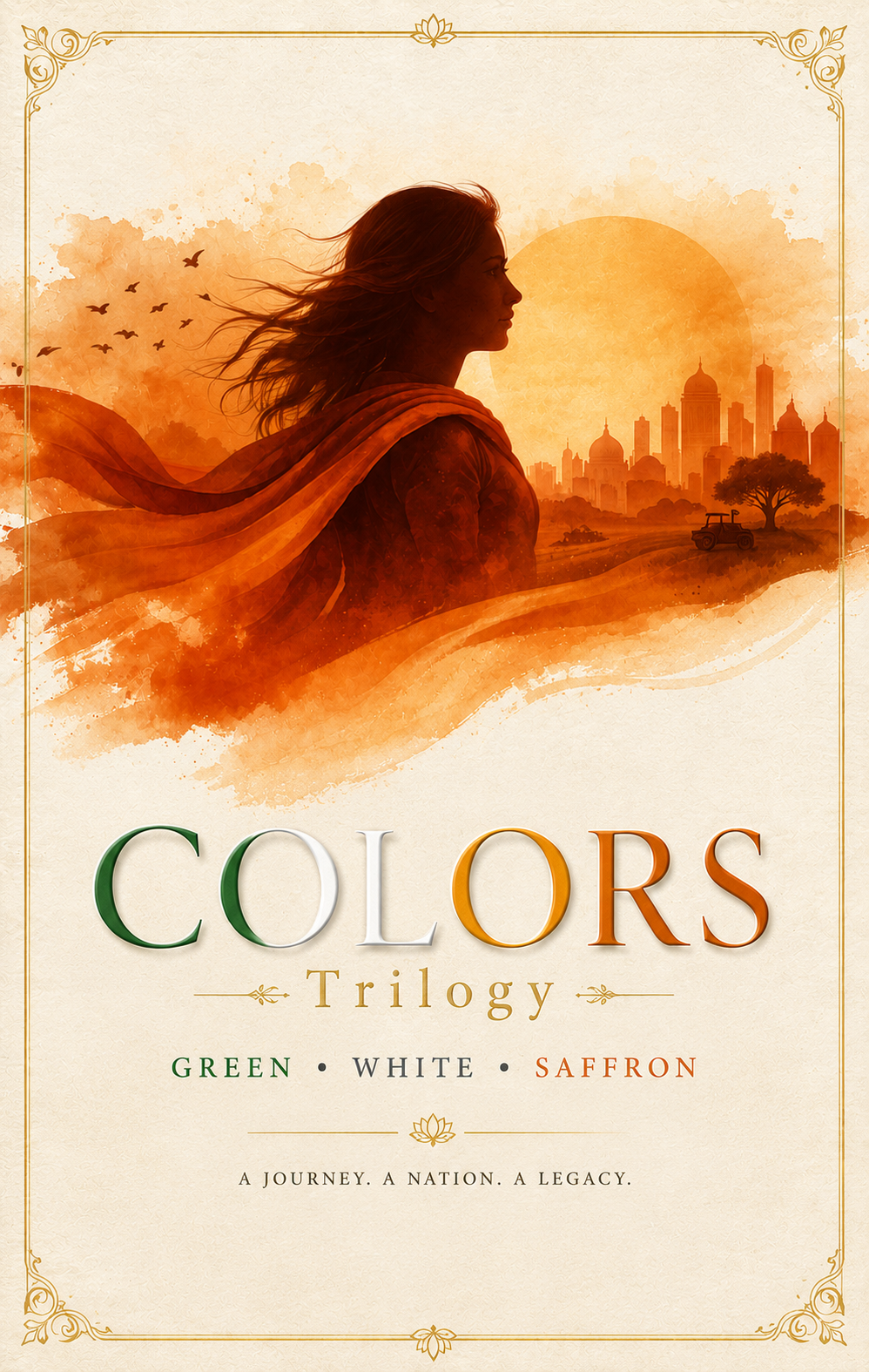
The Colours Trilogy
Green | White | SaffronThe Colours Trilogy consists of three stories inspired by the colours of the Indian national flag and the ideals they were meant to embody. Each story examines the life of a woman whose circumstances quietly challenge those ideals, creating a space between symbolism and lived reality. Together, the trilogy becomes a reflection on nationhood, identity, and the place of women within the promises a country makes to itself.
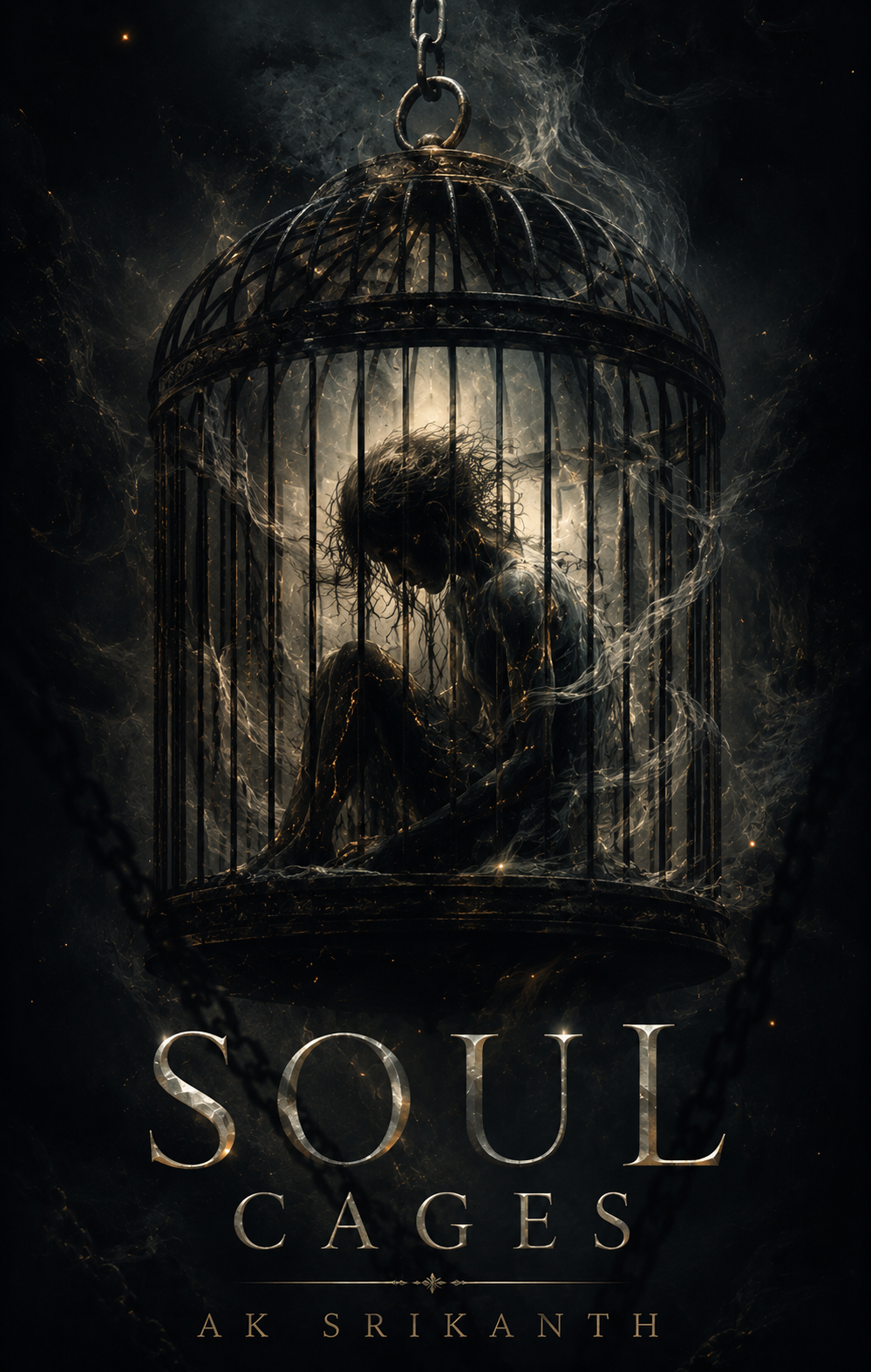
Soul Cages was an early narrative work written for dance theatre Conceived as a dark philosophical story, it examined life and death as a continuum and marked the beginning of a series of narrative-driven works that moved beyond traditional mythological themes in classical dance.
Soul Cages
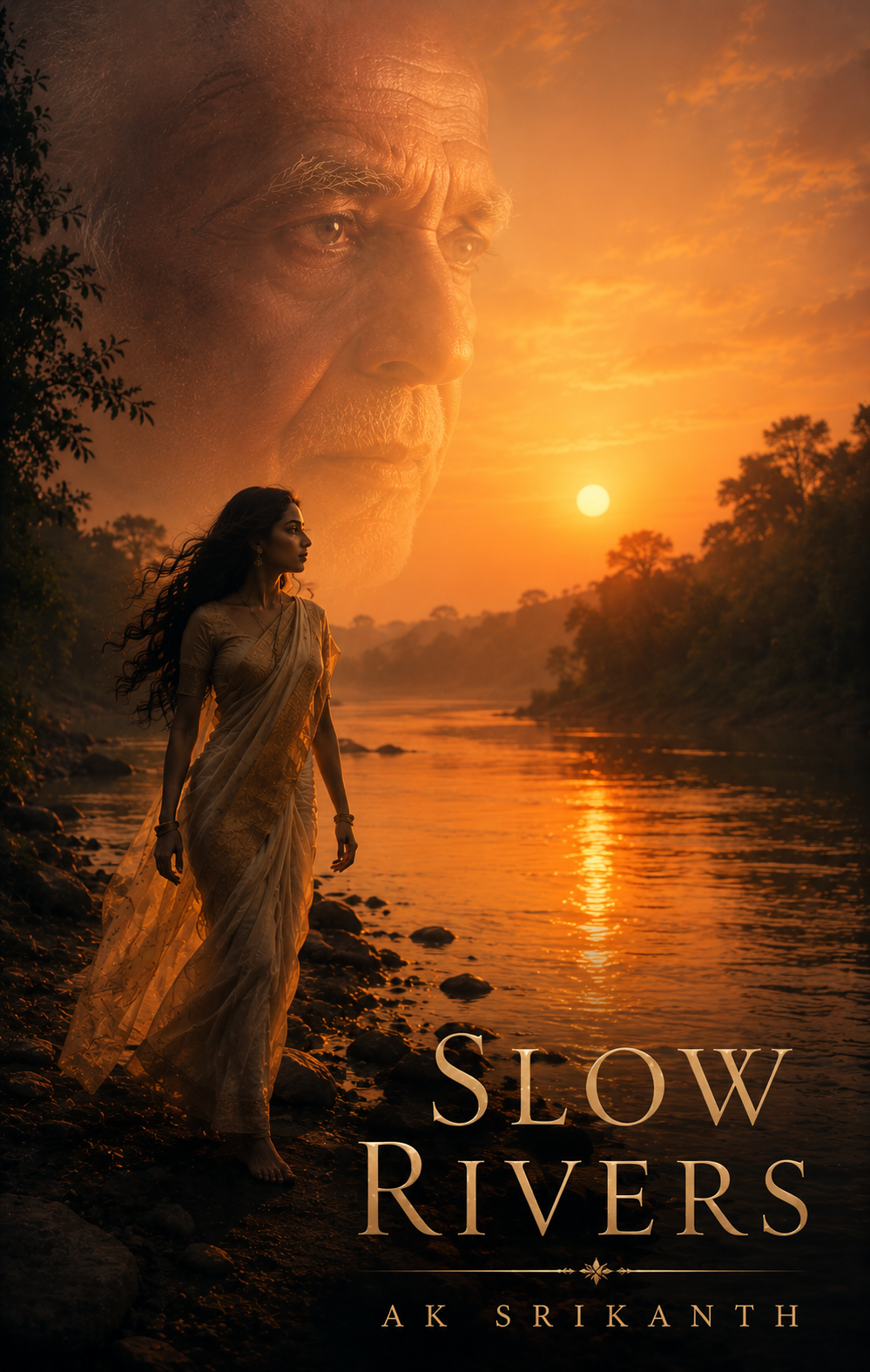
Originally conceived as a short story and later adapted into a short film, Slow Rivers follows an artist searching for immortality through the creation of one definitive performance. Over time, the search itself begins to change her understanding of art, memory, and permanence, leading her to discover that immortality may not reside in the work that survives, but in the moment when the artist disappears completely into the act of creation.
Slow Rivers
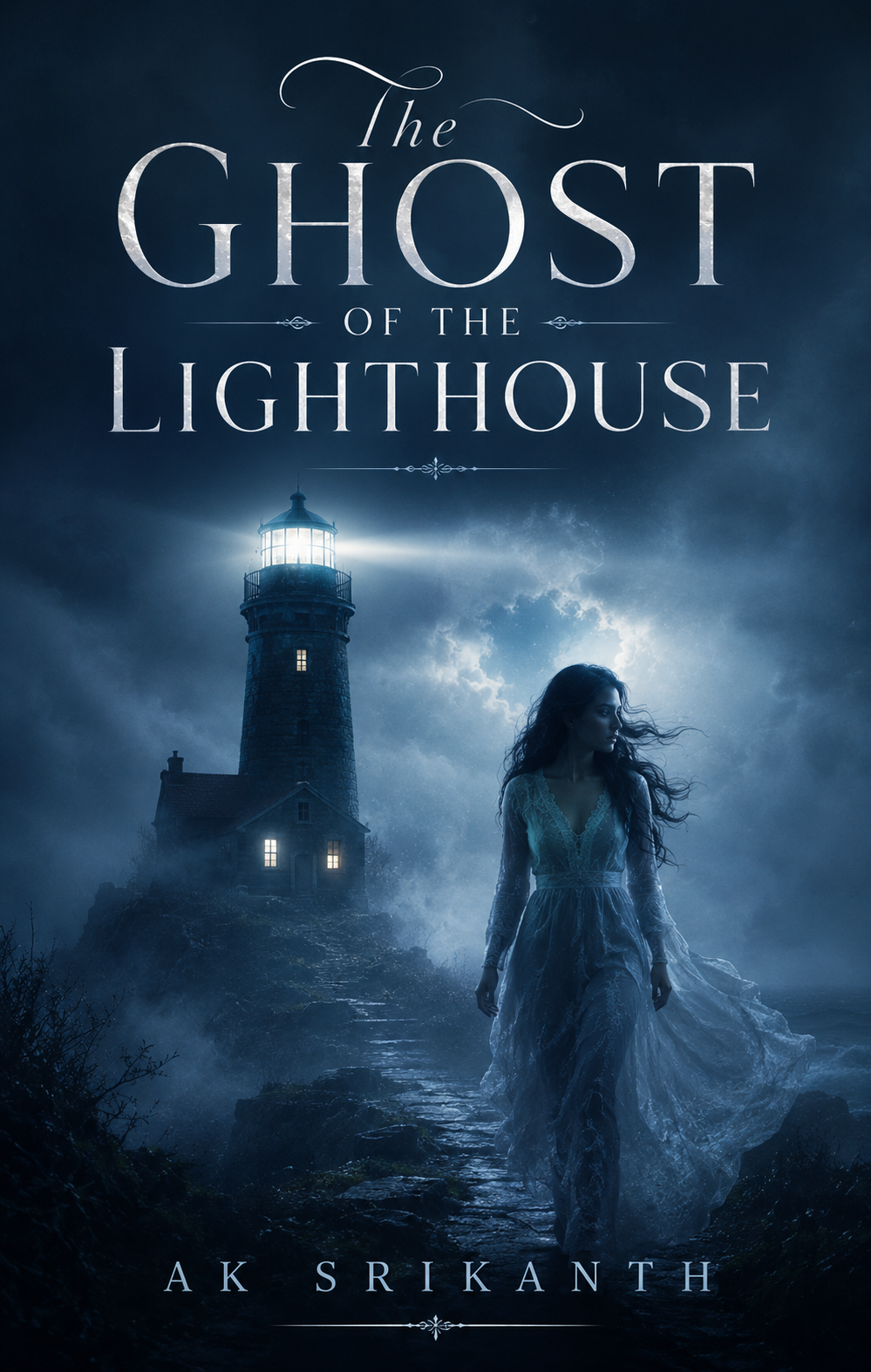
The Ghost of the Lighthouse began as a novella-length script set in a small seaside town and follows a tourist guide who dreams of travelling the world even as she guides visitors who come from far away to find peace in her town. The story rests on this quiet irony and explores longing, place, and the idea that one person’s destination is another person’s departure.
The Ghost of the Lighthouse
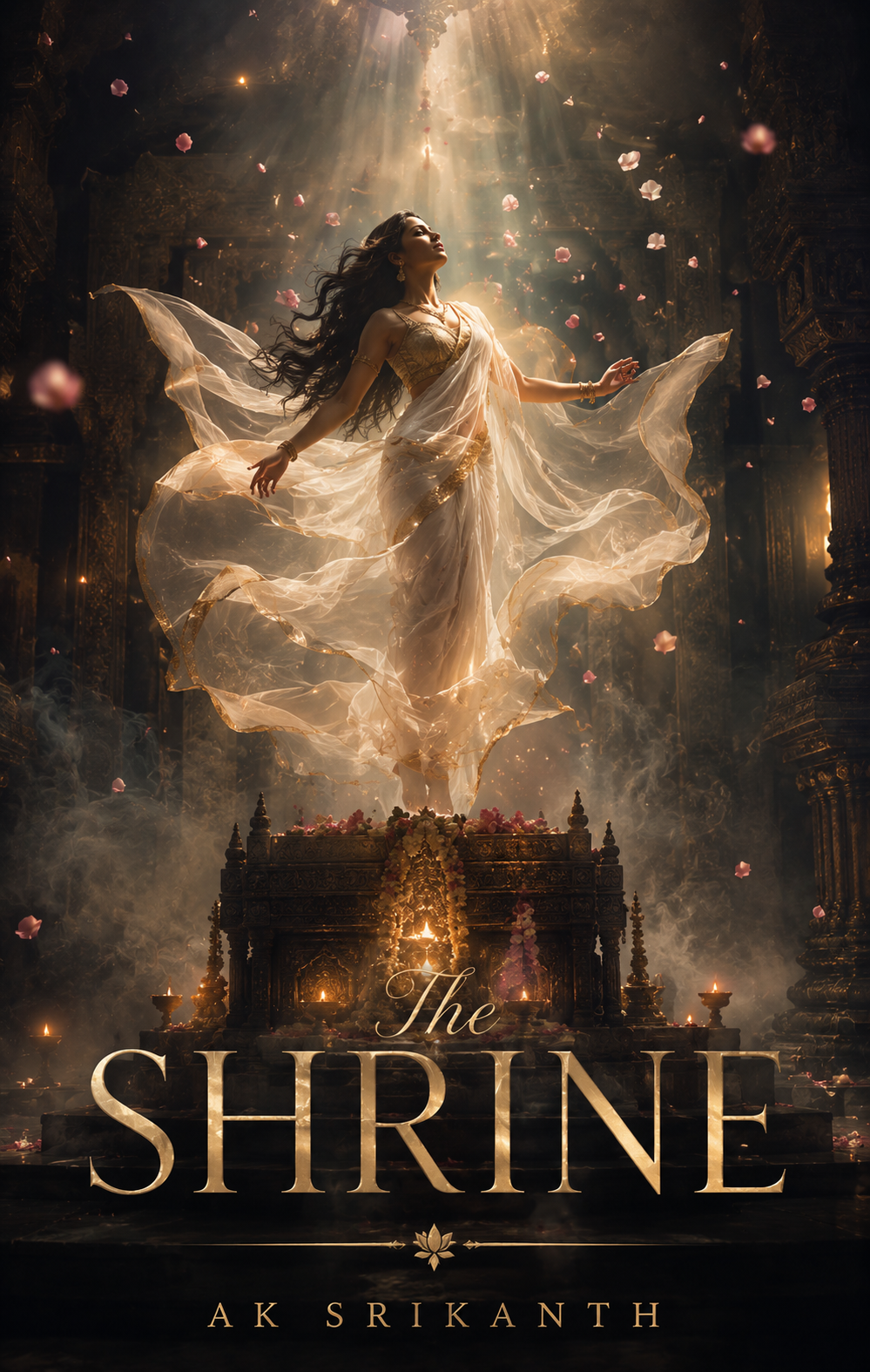
Inspired by Ueda Akinari’s Harusame Monogatari, The Shrine is a philosophical story about rebirth, karma, and divine justice. It follows a mysterious woman who arrives in a hillside village and is slowly taken by the villagers to be a deity. When she fails to fulfil their wishes, reverence turns to violence, and only after her death do they build a shrine in her honour. The story reflects on faith, human expectation, and the uneasy relationship between devotion and desire.